
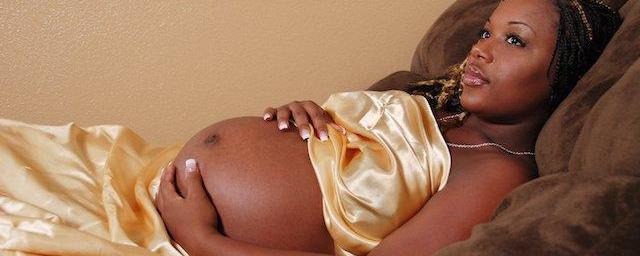
Pregnant women are often advised to be on bed rest when they encounter pregnancy complications. About one in five women are placed on bed rest or limited activity during their pregnancy. There are a few if any indications for bed rest/activity restrictions and there is not much scientific evidence that either bed rest or severe activity restrictions work in preventing complications. Additionally, there are studies showing that bedrest could increase complications
Why Is Bed Rest Prescribed?
Today, almost 1 out of 5 women is on restricted activity or bed rest at some point during her pregnancy. Some doctors, though they know otherwise, have for decades suggested bed rest for many pregnancy conditions like twins, growth problems in the baby, high blood pressure or preeclampsia, vaginal bleeding from placenta previa or abruption, preterm labor, cervical insufficiency, threatened miscarriage, and other problems. They hope that by taking it easy, you lower the risk of preterm birth or pregnancy complications.
However, studies have found no evidence that bed rest helps with any of these conditions. It doesn't lower the risk of complications or early delivery. And it could in fact increase complications in pregnancy that can be life-threatening to mothers such as blood clots. The stricter a woman's bed rest, the worse these side effects seem to be, studies show.
Bed Rest May Not Be As Effective As Once Thought
Over the span of the last few decades, there have been multiple studies proving that bed rest is not as effective as experts would like to believe. When it comes to prevention of a miscarriage or premature labor, bed rest is not a treatment that many doctors rely on anymore. In addition, reports show an increased risk of blood clots in patients placed on activity restriction.
There is no solid scientific evidence that bed rest during pregnancy works in most cases, and in some cases it may even hurt.
The Cochrane Review stated that for singleton births "..there is no evidence, either supporting or refuting the use of bed rest at home or in hospital, to prevent preterm birth..." and for multiple births "..the evidence to date is insufficient to inform a policy of routine bed rest in hospital or at home for women with a multiple pregnancy."
However, in women with a history of preterm birth, recommendations may be slightly different, though bed rest is still not recommended. Satterfield et al said: "Given the modest occupational risks on preterm labor, it is reasonable for women with a history of preterm birth to reduce their amount of time standing and heavy lifting at work."
Doctors often prescribe bed rest for women with symptoms of threatened miscarriage, but there is insufficient evidence that bed rest works to prevent a miscarriage.
At this point, studies suggest that pregnant women -- even with complications -- are better off continuing their normal routine than resting. There's evidence that physical activity during pregnancy lowers the risk of problems like low birthweight and preeclampsia.
Potential Negative Effects Of Bed Rest
- Atrophy of the muscles
- Loss of bone mass
- Risk of blood clots, DVT and other thrombotic morbidities such as pulmonary embolism (PE)
- Loss of bone mass
- Weight loss for mother and fetus
- Lower than normal birth weight (in singleton pregnancy)
- Premature gestational age at delivery
- Emotional side effects from alienation
Why some doctors recommend bed rest (but shouldn't)
- High blood pressure, such as preeclampsia, and eclampsia
- Risk for premature delivery (e.g. multiples like twins, shorter cervix)
- Preterm contractions
- Cervical changes, such as incompetent cervix, and cervical effacement
- Arrested preterm labor
- Preterm premature rupture of membranes (PPROM)
- Short cervix
- intrauterine growth restriction (IUGR)
- Vaginal bleeding
- Threatened abortion
- History of pregnancy loss, stillbirth, or premature birth
- Poor fetal development
- Placenta complications, such as placenta previa, and placenta accreta
Bed Rest and Multiples
Women who give birth to multiples are more likely to have babies with a low birth weight or to deliver babies preterm. Both of these instances have countless negative side effects that last throughout the children’s life. Learning disabilities, heart problems and diabetes are all associated with preterm delivery. So, as a future mother of multiples, you’ll want to do everything you can to delay the birth and get your numerous babies as healthy as possible. It has long been believed that sufficient bed rest is a good way for women who are pregnant with multiples to have a healthy birth. It makes sense that, since your body is working overtime taking care of numerous babies, it need to rest. However, a recent study shows that there is no association with bed rest and the successful delivery of multiples. The babies do tend to be larger when women get a lot of bed rest, though. While bed rest can’t delay the time of birth in the cycle of gestation for mothers with multiples, there are other ways that these mothers can attempt to halt a preterm delivery. Stress reduction, cessation of smoking, and weight loss are all proven methods that ensure a timely delivery.
What Should I Do if My Doctor Prescribes Bed Rest?
Feel free to question your doctor's advice. Doctors should be willing to explain their reasoning. It's important to get clear answers. Things to ask your doctor include:
- Why are you recommending bed rest?
- What is the evidence that it works?
- How do you define bed rest? Lying in bed all day? Occasional breaks?
- Is bed rest really necessary? Are there other options?
- What are the specific benefits my baby and I will get from bed rest?
- What are the risks?
- Do those benefits outweigh the risks?
- What do the medical studies show?
- What are some potential problems from bed rest? For my baby? For me?
- Is there a maternal-fetal medicine specialist we could talk with?
If you have concerns afterward, get a second opinion or talk to a specialist. Your doctor should give you a clear reason for bed rest.
What do the medical societies say about bed rest in pregnancy?
- The American Congress of Obstetricians and Gynecologists (ACOG) states that "Several reviews have determined that there is no credible evidence to prescribe bed rest in pregnancy, which is most commonly prescribed for the prevention of preterm labor. It is the American College of Obstetrician and Gynecologists’ position that “bed rest is not effective for the prevention of preterm birth and should not be routinely recommended”. Patients prescribed prolonged bed rest or restricted physical activity are at risk of venous thromboembolism, bone demineralization, and deconditioning." "...although frequently prescribed, bed rest is only rarely indicated and, in most cases, allowing ambulation should be considered."
- The Society for Maternal-Fetal Medicine (SMFM) states that: "The practice of activity restriction is a commonly used therapy in the context of many pregnancy morbidities. Currently available data does not show improvement in maternal or neonatal outcomes with the use of activity restriction, but does show an increase in maternal morbidities..." and "..We recommend against the routine use of activity restriction or bed rest during pregnancy for any indication...".
- The Society of Obstetricians and Gynaecologists of Canada states that increased rest at home in the third trimester or reduction of workload and stress may be useful for women at risk of developing preeclampsia, although strict bed rest in the hospital for women already diagnosed with preeclampsia is not recommended.
- The National Collaborating Centre for Women’s and Children’s Health, in collaboration with the Royal College of Obstetricians and Gynaecologists, states that bed rest has not been shown to be of benefit and should not be offered to women with pregnancy-associated high blood pressure or preeclampsia. No other national recommendations exist about use of bed rest or activity restriction in pregnancy.
When Your Doctor Suggests Bed Rest
Despite the lack of evidence supporting bed rest as a means of treatment for pregnancy complications, some medical providers still use and support bed rest. If your medical provider suggests bed rest, ask the following questions:
- Why am I being asked to go on bed rest?
- Is there clinical research supporting bed rest as a medical treatment for my condition?
- If the best rest is suggested as a means of preventing premature labor, am I eligible for the fetalfibronectin test?
- If the fetal fibronective test is negative, what are other treatment options aside from bed rest?
- What kind of bed rest is being suggested, exactly (strict or modified)?
- How much activity will be allowed while I’m on bed rest?
- Can I take short walks outside?
- If I say yes to bed rest, is there an option for returning to normal activity at some point?
Types Of Bed Rest
Bed rest can differ according how many weeks along the pregnancy is, and also from woman to woman, and from one indication to the other. Bed rest recommendations may range from just simply taking it easy and periodic resting at home to full bed rest and monitoring in a hospital.
Some women will discover that their doctor places them on bed rest for a brief period to help a complication stabilize, whereas other women may be placed on bed rest through most of their pregnancy.
It can sometimes be confusing what exactly you can and cannot do when your doctor recommends bed rest. Here is a simple explanation of different levels of bed rest, from simple to more intense. Ask your doctor which of the five levels is recommended and then follow the guidelines:

Level 1: Taking A Break, Decreasing Activities
This might mean taking a break from exercising or sex, from a few weeks to the rest of the pregnancy. With this type of bed rest, women need to be able to sit down and rest. This might involve taking a leave from work or getting backup help with the care of children at home.
Level 2: A Few Hours Each Day
This level may mean part-time work or taking off work completely, no shopping or carrying groceries. This kind of rest may be recommended for women with mild hypertension or other complications and it may be beneficial if a baby isn't growing well or if there are multiples (e.g. twins, triplets) with a risk of preterm birth.
Level 3: House Arrest
This requires taking off work completely, no shopping or carrying groceries. No standing for more than 5 minutes. It's a stricter type of bed rest, where women are essentially confined to the home, and activities are limited to taking showers, puttering around, and mostly resting.
Level 4: At Home
Strict bed rest essentially means lying down all day. Getting up might be limited to going to the bathroom, taking a shower, and preparing a simple meal.
Level 5: In The Hospital
The strictest forms of bed rest are usually done in the hospital, with a bedpan instead of bathroom privileges and all personal care provided by the hospital staff.
How does bed rest help?
In most cases, bed rest is used to help the body have the best chance to quiet down. Bed rest will be used with women who have conditions related to high blood pressure in order to decrease stress and lower blood pressure. Work, activity, lifting, or exercise may worsen or provoke certain situations, so bed rest may be prescribed to reduce vaginal bleeding or decrease the chance of premature labor. Bed rest may also be necessary (often on your side) to help increase blood flow to the placenta.
What is the best position for bed rest?
The best position for bed rest will depend on your situation and what complication your doctor is trying to address. In most cases, your doctor will request that you sleep or rest on your side, usually with your knees or hips bent, and possibly a pillow between your knees. You may be asked to lie on your back while being propped up with pillows or to lie on your back with your hips or legs elevated higher than your shoulders.
How can I deal with bed rest discomforts?
Bed rest will tend to cause your muscles to lose tone and make some of your joints ache. Lying down for long periods of time can also reduce your blood circulation. Changing from side to side will help stimulate your muscles and relieve pressure. Exercise is important for your blood circulation, but make sure that you ask your doctor before you begin any exercises. Below are common exercises that may be used:
- Squeezing stress balls
- Pressing your hands and feet against the bed
- Turning your arms and feet in circles
- Tensing or tightening your arm and leg muscles
- Avoid using your abdominal muscles when you are stretching or exercising
Bed Rest Do's And Don'ts:
The do's and don'ts during bed rest will vary from woman to woman, depending on your situation and the reasons that bed rest has been ordered, so it's important to get a clear understanding of what is allowed. Here is a list of activities to discuss with your doctorr:
- Cooking
- Light chores
- Walking
- Bath or shower
- Driving
- Exercise
- Sexual intercourse
How to make the best of bed rest during pregnancy
Bed rest may sound fun, but it is usually challenging for most women, particularly if it is for longer periods. There are a number of things you can do to make your bed rest a more positive experience:
- Establish A Routine: You may feel that things are out of your control, so establish a routine to help you feel better about your situation. Change into comfortable clothes and have a schedule for the day.
- Spring Cleaning: Ok, yes you are stuck in bed, but this is an excellent opportunity to organize photo albums, make changes to address books, update recipes, or work on other projects that need attention.
- Connect With Friends: After the baby arrives you will be busy taking care of things, and visiting with friends may be difficult. Use this time to make phone calls to let them know more about your expected bundle.
- Baby Preparations: Begin planning for baby names, baby registry, a new will, guardianship, insurance, baby announcements, thank you notes, and financial matters. Order things online for the nursery and the baby.
- Medical Preparations: Research, learn, and plan to deal with a complication, such as the delivery of a premature baby. Learn how to be prepared for handling an early delivery or other complications.
- Allow Friends And Family To Help: Your family and friends care about you and are interested in helping you out. They know you would do the same for them, so don't be afraid to ask for help with meals, household chores or errands. You may even find that people call to ask what they can do to help. Make it easier on yourself by having a "to do" list with you.
- Become a parenting expert: Bed rest provides you with an excellent opportunity to search the internet, read books and parenting magazines to help you become a parenting expert. Read about breastfeeding, child development, immunizations, and other things related to you, your baby, and parenting.
- Love Those Around You: Bed rest will require those around you to invest more in the chores, tasks and activities that you may normally have handled. Hopefully, they will be doing things with a positive attitude already, but you can always take this time to do something for them to show your appreciation, such as make a card, write a letter, or order a special gift.
- Get Organized: Being confined to the bed doesn't mean that you can't be productive, whether it is accomplishing things for your family, your home, or just doing something for yourself. Having supplies at your fingertips will make things a whole lot easier.
Here is a checklist of items you may want near the bed or couch:
- Phone
- Laptop or iPad
- Healthy snack and drink
- Pens, pencils and paper
- Brush, comb, and mirror
- Books, magazines, or other reading materials
- Remote controls
- Cosmetics, nail files, etc.