Ovulation Symptoms and Signs
Quizzes
Obie Editorial Team

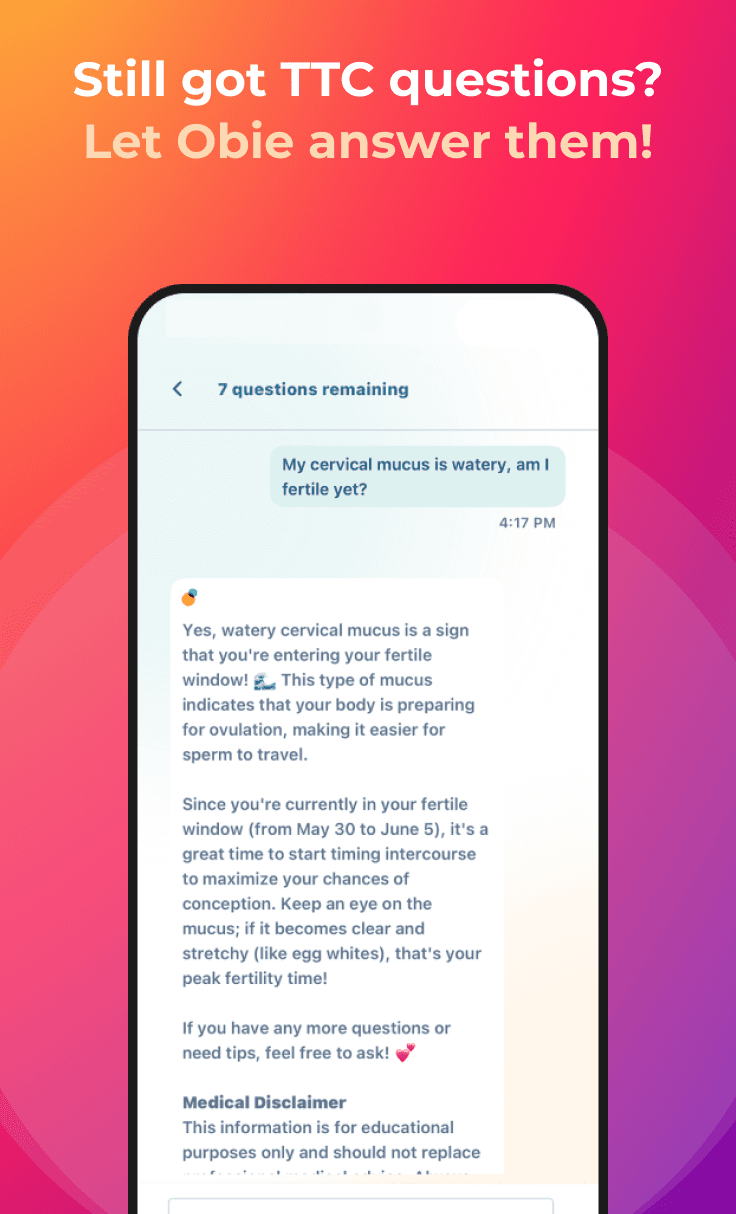
What are the signs and symptoms of ovulation?
Signs and symptoms of ovulation include light pelvic pain on one side of the pelvis (mittelschmerz), spotting, changes in cervical mucus, breast tenderness. Learning about signs and symptoms of ovulation help you predict fertility and find out if and when ovulation happens and when you should have sex to get pregnant.
The single most important factor when trying to get pregnant is finding out if and when ovulation happens. Ovulation is when the egg is ejected from the ovary. If you miss your period and you know if and when ovulation happened then there are only 2 possibilities. Either you are not pregnant and your period comes 15 or so days later, or you are pregnant and your period does not come 15+ days later.
If you don't know if and when ovulation happened, then you don't know when your period is supposed to come. Women who don't ovulate usually do not get their periods or they have irregular spotting and bleeding.
How do I know if I am ovulating?
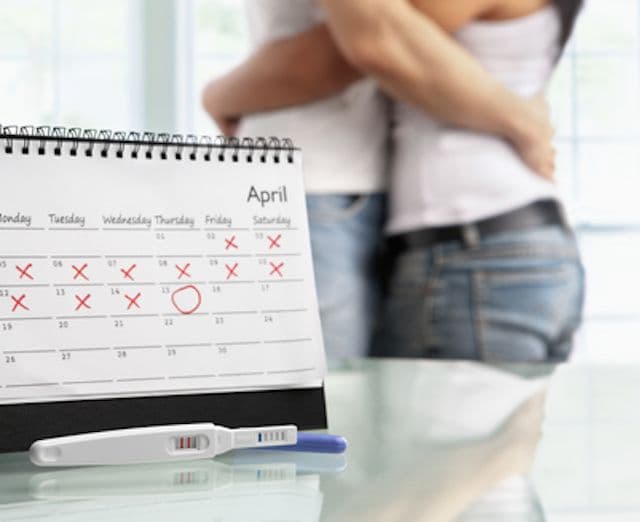
There are several ways to find out if and when you ovulate. Some methods of finding out when you ovulate, such as ovulation predictor kits (OPKs) and urine strips, can be easily done at home, while others require more sophisticated testing. If you have a regular menstrual cycle, fertility or ovulation calculator and calendar may be helpful.
Signs of ovulation
- Changes in the cervix (fluid, mucus, position, consistency)
- Abdominal bloating
- A rise in basal body temperature
- Saliva ferning
- Breast or nipple soreness or tenderness
- Increased LH levels in urine
- Mittelschmerz: Mild pelvic or lower abdominal pain
- Slight vaginal spotting or discharge
- Increased sexual desire
- Nausea or headaches
Your chances of getting pregnant each month are 20-25% more if all of the following 5 conditions are met:
- You ovulate
- He has enough motile viable sperm
- You have sex during the 4-5 fertile days
- Your fallopian tubes are open
- You are under 35 years old
What are your chances of getting pregnant! Take this quiz!