
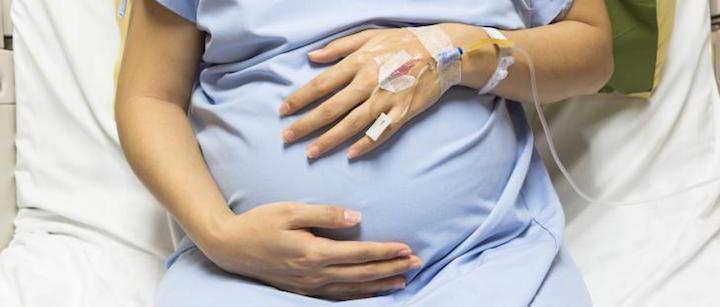
Labor induction or inducing labor is usually done to start contractions of the uterus or to prepare the cervix to soften and/or dilate for a vaginal birth. It usually involves the stimulation of uterine contractions during pregnancy before labor begins on its own to achieve a vaginal birth. It also may be recommended when labor has not started on its own and may be recommended when there are concerns about the health of the woman or the fetus. In addition to some conditions for which labor induction is recommended, new research suggests that induction for healthy women at 39 weeks in their first full-term pregnancies may reduce the risk of cesarean birth.
When will a doctor induce labor?
Women that have high blood pressure, preeclampsia, diabetes, low levels of amniotic fluid, a uterus infection, or a baby that is too big for vaginal delivery may be candidates for labor induction. Babies who are past their due date may also be induced. Each of the above conditions, if going on too long, may put mom and her baby at risk, so when they occur doctors will generally choose to induce labor. New research suggests that induction for healthy women at 39 weeks in their first full-term pregnancies may reduce the risk of cesarean birth.
How is labor induced?
When labor is induced, a woman is given special medications to jumpstart the process. This is typically only done when a woman is going to give birth vaginally. There is no need to induce labor before a cesarean section, though it sometimes happens if the cesarean section is an emergency one and delivery was induced prior to the doctor deciding that a surgical delivery was necessary.
When inducing labor, a doctor has a number of options available. He or she may insert a special medication into the vagina which jumpstarts the labor process. The doctor might manually break the soon-to-be mom’s water. Pitocin, which is a synthetic form of the naturally occurring hormone, Oxytocin, may also be administered. This helps cause contractions so that labor begins.
How fast does delivery occur after labor induction?
There is the mistaken belief that once labor is induced, the birthing process will proceed quickly. This isn’t always the case. A woman may be induced and not give birth until 3 days later. She will go through labor all of that time, but she may not deliver the baby right away.
The speed at which a woman gives birth after being induced depends on a number of factors. Much of it will depend on whether or not the baby is ready to be delivered. If, however, the labor fails to progress, the doctor may be forced to perform a cesarean section.
Read More:
Labor Contractions Counting Calculator
Online Birthing Classes