What Menopause Symptoms Mean: What’s Hormone-Related, What’s Aging, and What Affects Daily Life
Dr. Denise Howard
Menopause is a new stage of life. Some women celebrate the transition. Others mourn it. However a woman feels about it, the loss of ovarian function does contribute to some health challenges while other medical conditions develop as a result of aging.
That overlap—hormonal change happening at the same time as normal aging—is one reason menopause symptoms can feel confusing. A woman may notice changes that are directly tied to hormonal deficiency, while other medical concerns are largely age-related but can be exacerbated by continuing hormonal deficiency. And then there are symptoms that aren’t life-threatening, but can still interfere with everyday life.
The medical concerns surrounding menopause are both a result of the potential health risks and the bothersome symptoms that can interfere with quality of life. It is important to distinguish the difference.
Why symptoms show up during menopause
Menopause results once the ovaries have stopped producing eggs. The hormonal consequence is a significant reduction in the circulating levels of estrogen, progesterone, and testosterone. For the most part, these hormones are created in the ovaries. Estrogen and testosterone can be produced in smaller quantities from other sites within the body.
Once the transition to menopause is complete, there may be some health consequences that can be directly associated with hormonal deficiency. Historically, estrogen has been identified as the culprit. The role of progesterone is discussed in the lay literature but has largely been unstudied despite anecdotal evidence to support its function.
This is part of why menopause symptoms can feel so varied. The hormonal shifts are real, but not every issue that happens at this stage is purely “because of hormones.” Many changes arise during the same years when aging-related risks are increasing, and hormone deficiency can add another layer.
Menopause concerns fall into three buckets
Most of these problems are a consequence of aging, but certainly can be exacerbated by the continuing hormonal deficiency. There are other issues that are specific to hormonal deficiency. Finally, there are the annoying symptoms that are not life-threatening but can affect a person’s quality of life.
Issues specific to hormone deficiency
- Vaginal dryness
- Decreased libido
Some symptoms are considered specific to hormone deficiency. Vaginal dryness is one of the most common and most disruptive changes women experience in this stage, because it affects comfort and can make intercourse painful. Decreased libido may also show up, and for some women this becomes a major source of stress or strain in relationships.
In real life, these symptoms often show up together: when vaginal discomfort increases, interest in sex may decline, and the combination can feel discouraging or isolating.
Problems that occur with age that might be exacerbated by hormone deficiency
- Loss of bone density
- Loss of muscle mass and strength
- Hair loss
- Weight gain
Other changes are not unique to menopause, because they can occur with aging. But they may be exacerbated by continuing hormonal deficiency. This category matters because it reminds women that menopause doesn’t happen in isolation—it often coincides with broader shifts in strength, body composition, and appearance.
For some women, weight gain becomes a frustration during this stage. Others notice hair loss. Many women also begin to worry about strength and stability as muscle mass and strength change over time. Loss of bone density is especially important, because it can be silent for years and becomes apparent only when a scan is done or a fracture occurs.
Quality of life issues
- Hot flashes and night sweats
- Mood swings
- Urinary symptoms
Finally, there are symptoms that may not be life-threatening, but can still significantly affect a woman’s day-to-day life. These are often the symptoms that push women to seek care—not because they signal danger, but because they are disruptive.
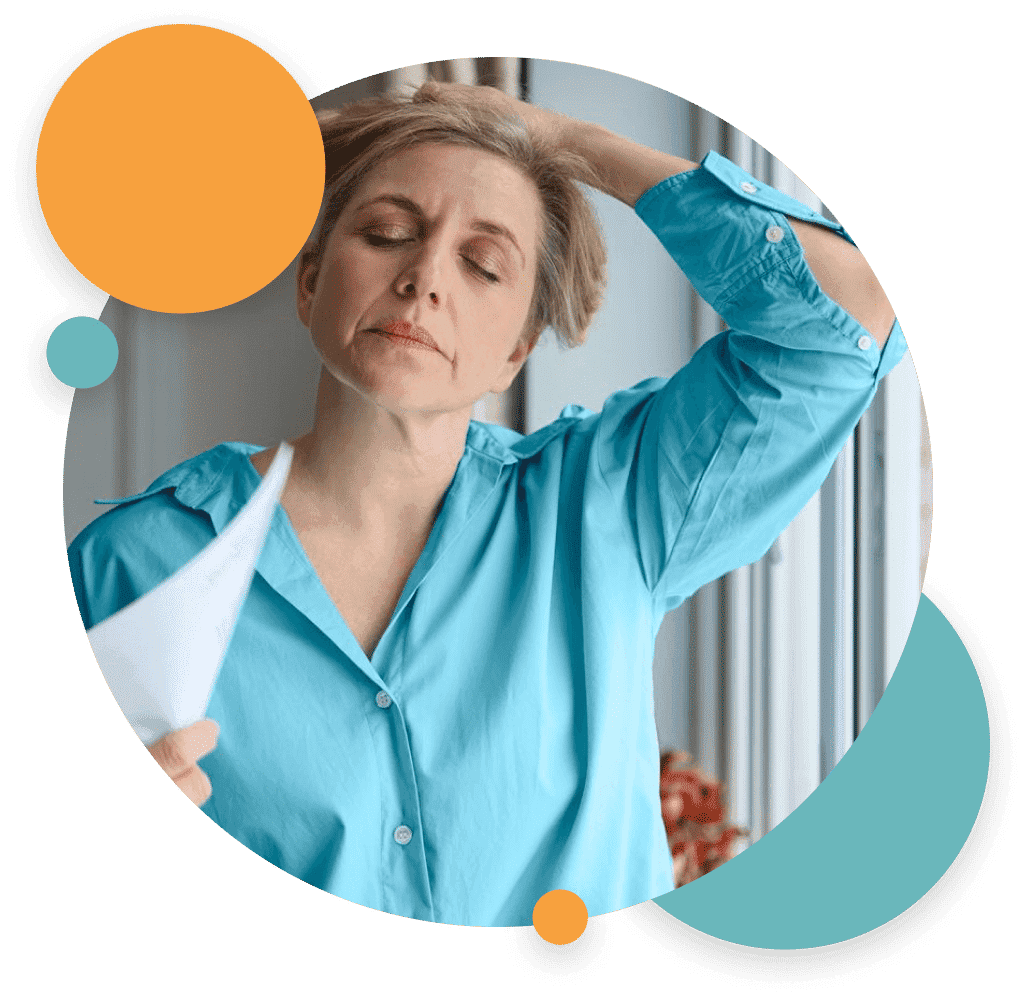
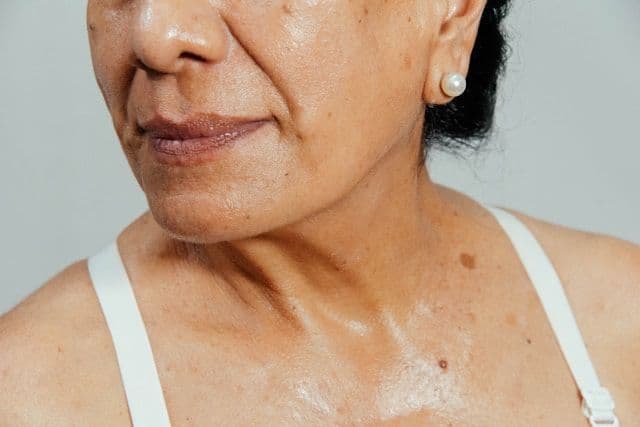
Hot flashes and night sweats can interfere with work, social interactions, and sleep. Mood swings can affect relationships and emotional wellbeing. Urinary symptoms can be uncomfortable, embarrassing, and may limit daily activities.
Why this distinction matters
It’s important to distinguish between health risks and bothersome symptoms. Some issues are specific to hormonal deficiency. Some are age-related but may be worsened by hormone deficiency. And some are primarily quality-of-life issues.
Menopause is the post-reproductive stage of a woman’s life. Because it coincides with aging there are many potential health risks that arise during this time. It is important to know your risks so you can eliminate them and develop good health habits that may counterbalance these risks.
Find out where you stand in terms of your symptoms by taking our Menopause Symptom Assessment: /menopause-symptom-assessment